
Does BeerDroid EOF Match Gravity? Traditional Irish Stout with a RAPT Pill
BeerDroid automatically decides when fermentation has reached EOF, but I wanted to know what the gravity was actually doing at that moment. For this BrewArt Traditional Irish Stout, I floated a RAPT Pill in the BeerDroid and logged SG and temperature through the batch. BeerDroid called EOF at 6 days 1 hour. By then, the RAPT gravity had already settled around the low 1.012s with no sustained downward trend. This does not reveal BeerDroid's internal EOF algorithm, but in this batch the automatic call lined up very well with an independent gravity trend.
Batch at a glance
| Batch | BrewArt Traditional Irish Stout / 10 L (2.6 gal) |
|---|---|
| BrewArt spec | 4.5% ABV / Colour 134 / Bitterness 33 / Propagate 18°C (64°F) → Ferment 17°C (63°F) → Keg 18°C (64°F) → Store 4°C (39°F) / approx. 5–7 days[1] |
| BeerDroid EOF | 6 days 1 hour, followed by Ready to Keg. |
| RAPT first plausible SG (OG proxy) | 1.04435. I treat this as a practical starting value rather than an exact laboratory OG because the Pill was initially surrounded by dry ingredients. |
| ~24 h before EOF | Average SG 1.01266, range 1.01156–1.01328, with no sustained downward trend. |
| Estimated fermentation | ~71.5% apparent attenuation and ~4.16% ABV from the first plausible SG used as an OG proxy and the final-24h mean SG; useful as an estimate, not a reference lab result. |
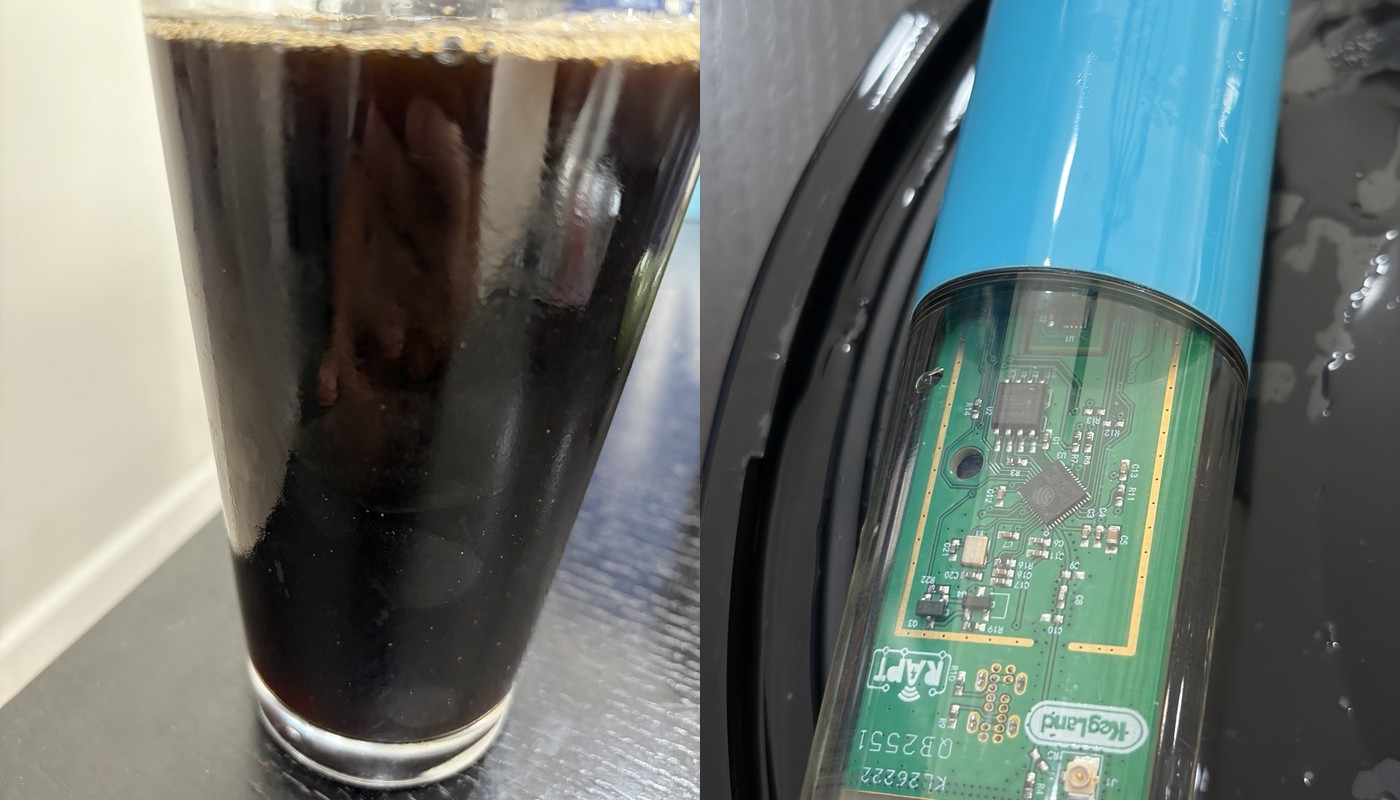
| Early tasting | Firm bitterness, a little sweetness behind it, and a soft faint tang that reminded me of yogurt or milk, with a rounded sweet impression. |
The question: what does gravity look like when BeerDroid calls EOF?
Until this batch, I used BeerDroid's Ready to Keg notification as my practical end-of-fermentation signal. I could follow time and temperature, but not the full gravity curve.
In the Discovery Pale Ale batch, I tracked the BeerDroid temperature curve and Ready to Keg timing. This time, I went one step further and added SG tracking with the RAPT Pill.
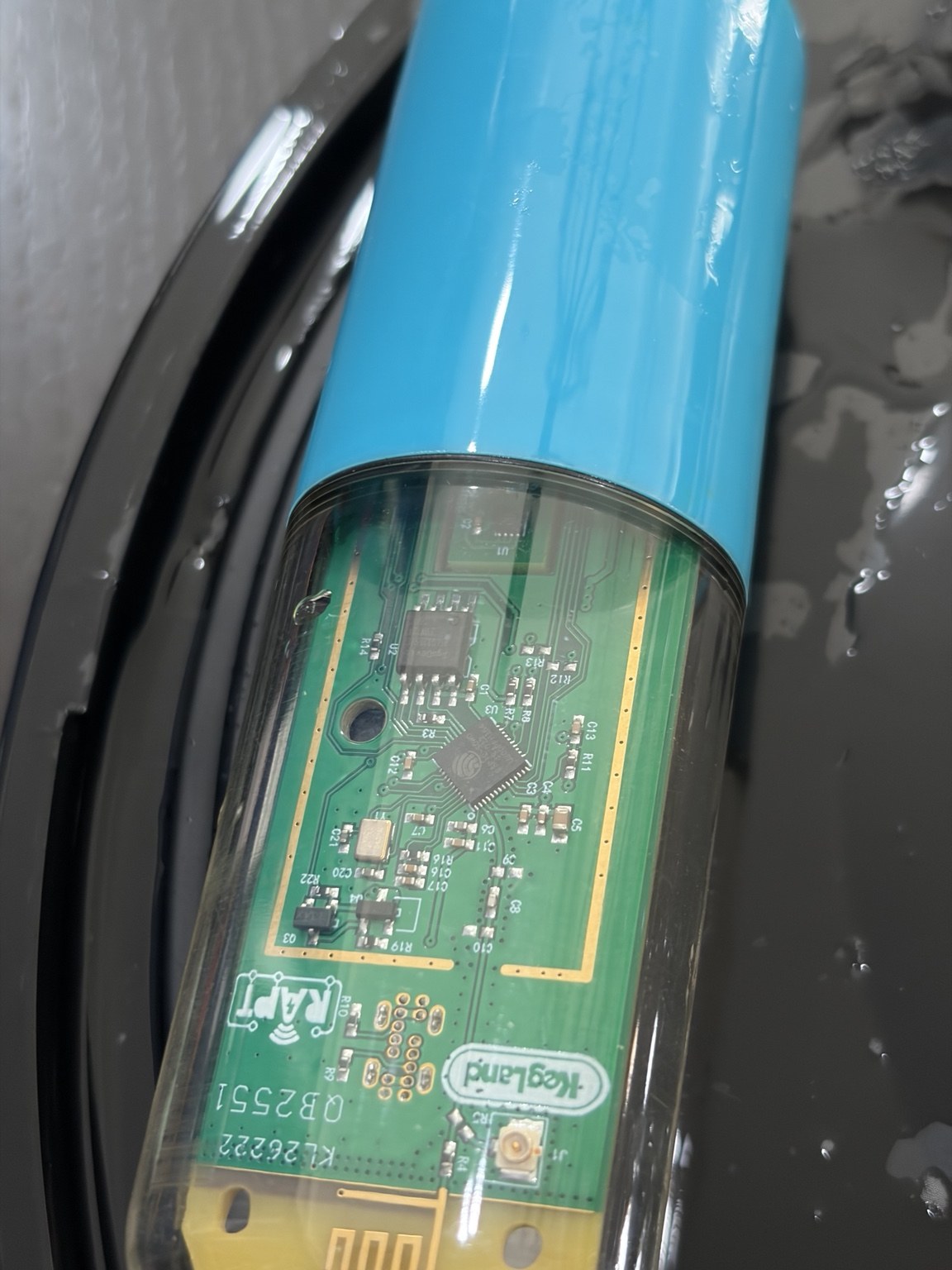
The RAPT Pill is a floating Wi-Fi/Bluetooth hydrometer and thermometer that logs gravity and temperature from inside the fermenter. KegLand lists nominal accuracy of ±0.002 SG and ±0.2°C (0.36°F), and also notes that solids stuck to the housing can affect gravity accuracy.[2] That makes it useful for the trend I wanted to see here, while also giving a reason not to overinterpret every small wobble.
Gear and ingredients used
BrewArt BeerDroid
10 L (2.6 gal) automated brewer used for temperature control and EOF / Ready to Keg notification.
Traditional Irish Stout BrewPrint
My kit used E1, E3, E4, X4, and Y2, matching the official BrewPrint components.[1]
View Traditional Irish Stout on BrewArt →
RAPT Pill Hydrometer & Thermometer
Used as the independent SG and temperature logger.[2]
BrewArt Complete Kegging Pack
Used to transfer the 10 L batch from the BeerDroid into two 5 L BrewArt kegs. The pack includes the kegs, caps, spears, filling tube, keg liners, and related kegging hardware.
View Complete Kegging Pack on BrewArt →
Five Star Star San Sanitizer
Used to sanitize the RAPT Pill, kegs, caps, spears, and other beer-contact parts.
BrewArt's target profile for Traditional Irish Stout
BrewArt describes this beer with a creamy tan head, brown-black to garnet color, roasted coffee and barley aroma, and roast coffee/dark chocolate flavor with a slightly acidic finish. The published targets are 4.5% ABV, Colour 134, Bitterness 33, and an approximate 5–7 day brew time.[1]
BrewArt's 5–7 day guide refers to the BeerDroid brewing cycle; the minimum 14 days of secondary fermentation/conditioning after kegging is separate. The tasting note in this article is therefore from a young sample before that conditioning period.[1]
That mild-acidic description ended up being relevant to my tasting note. The yogurt/milk association below is my sensory shorthand only; BrewArt does not describe the beer that way.
Brew day: adding a RAPT Pill to the BrewPrint process
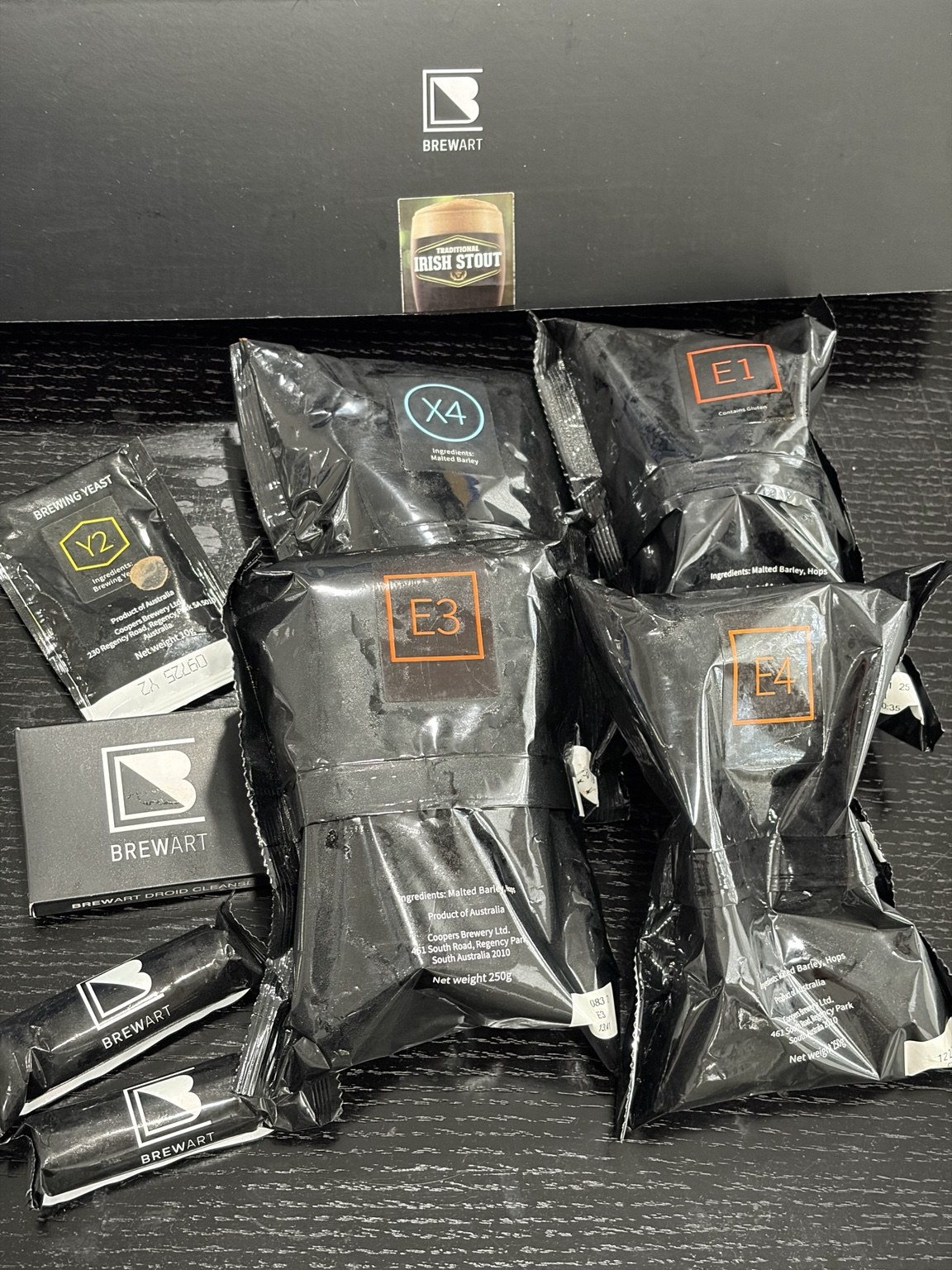
Temperature program: 18°C Propagate → 17°C Ferment
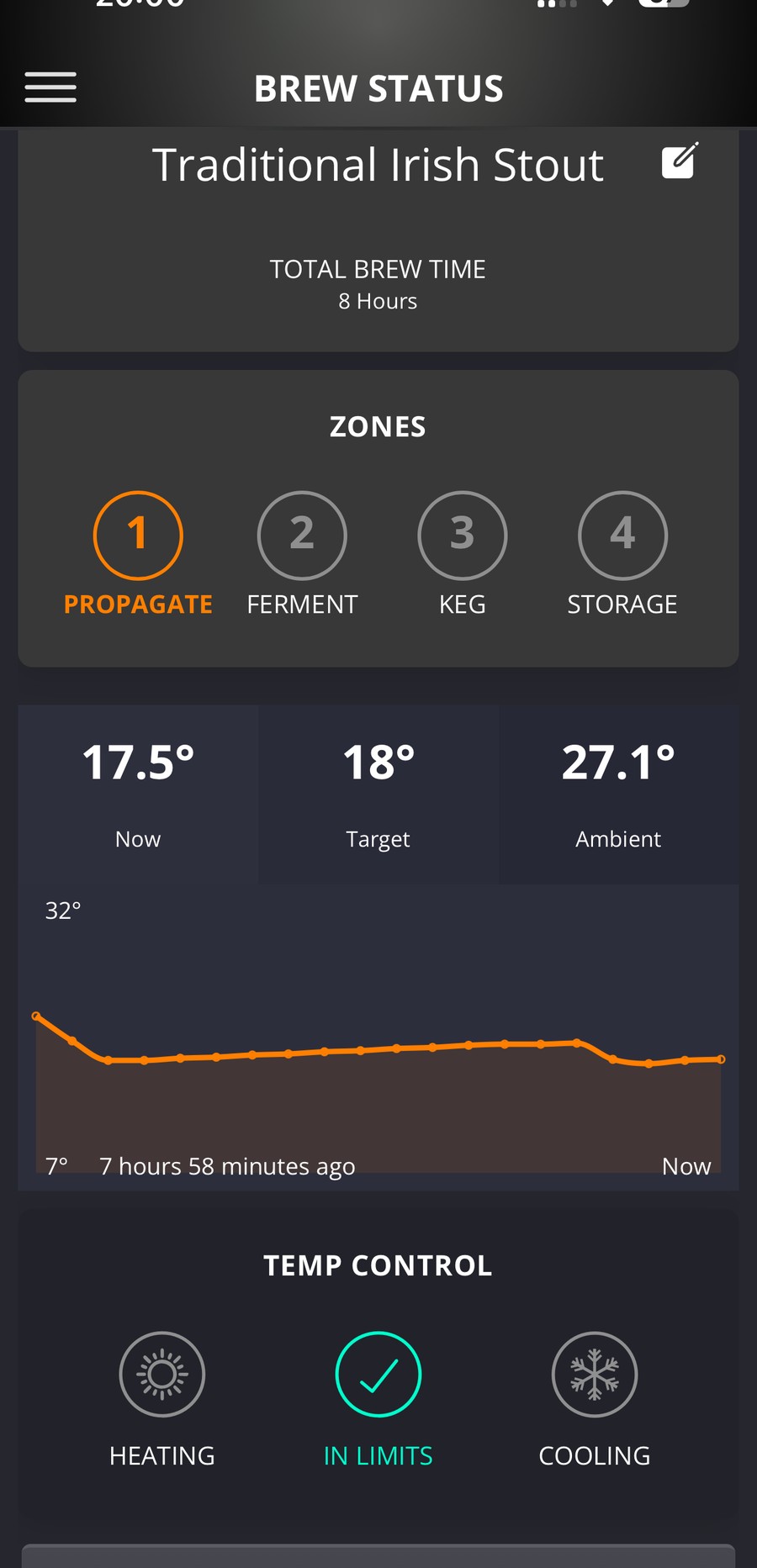
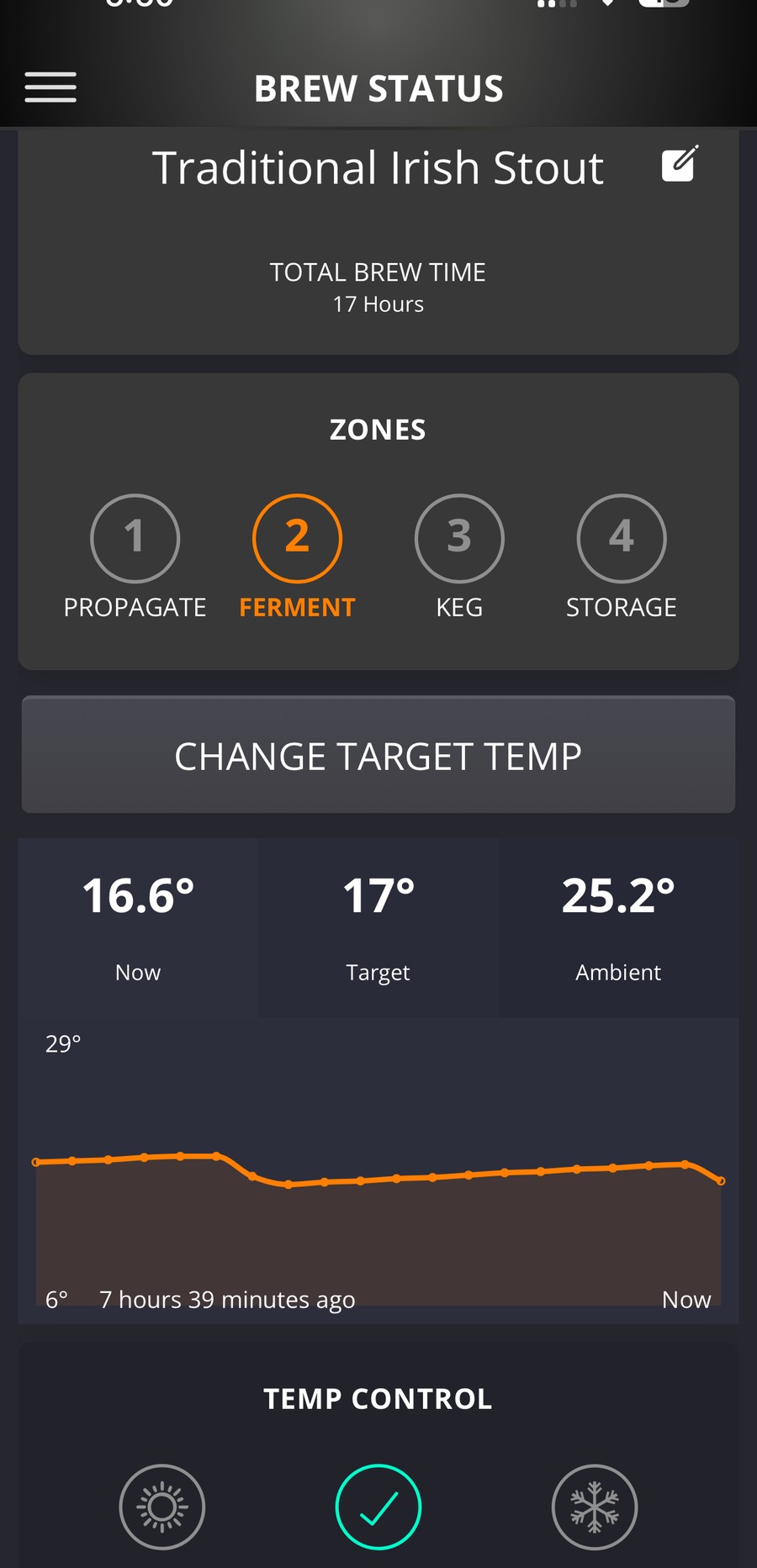
The published stout program is Propagate 18°C (64°F), Ferment 17°C (63°F), Keg 18°C (64°F), and Store 4°C (39°F).[1] The BeerDroid display began around 22°C (72°F). At about 8 hours the app showed Propagate at 17.5°C (63.5°F) with an 18°C target. By about 17 hours it had changed to Ferment, reading 16.6°C (61.9°F) against a 17°C target.
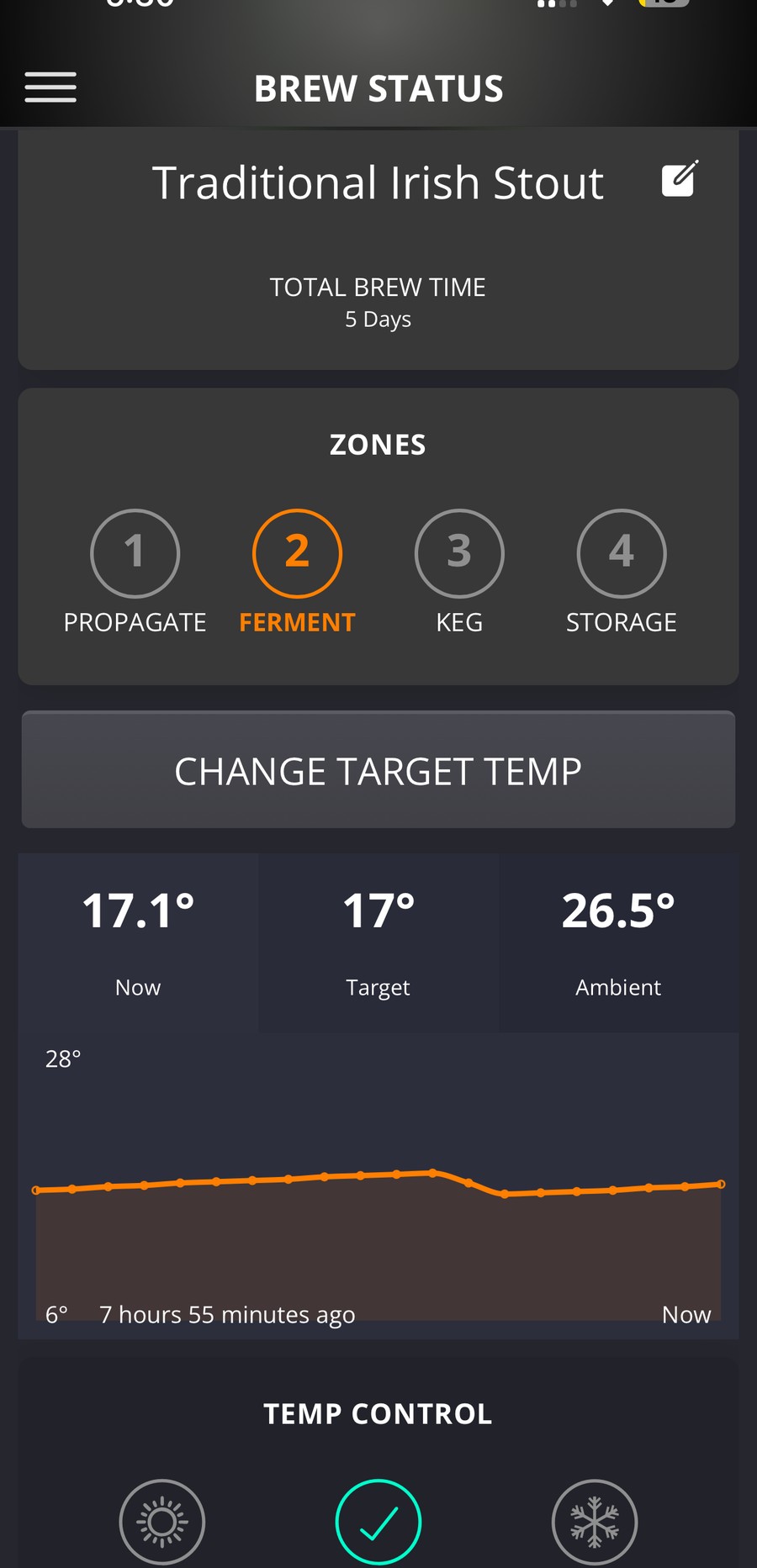
These are representative BeerDroid app snapshots, not continuous averages. The later RAPT plot comes from a separate sensor, so I do not expect the two systems to match point-for-point.
| Elapsed | Zone | Now | Target | Ambient |
|---|---|---|---|---|
| 8 h | Propagate | 17.5°C / 63.5°F | 18°C / 64°F | 27.1°C / 80.8°F |
| 17 h | Ferment | 16.6°C / 61.9°F | 17°C / 63°F | 25.2°C / 77.4°F |
| Day 1 | Ferment | 16.8–18.0°C / 62.2–64.4°F | 17°C / 63°F | 24.1–27.0°C / 75.4–80.6°F |
| Day 2 | Ferment | 16.8–17.8°C / 62.2–64.0°F | 17°C / 63°F | 25.4–26.2°C / 77.7–79.2°F |
| Day 3 | Ferment | 16.1–16.2°C / 61.0–61.2°F | 17°C / 63°F | 25.2–26.9°C / 77.4–80.4°F |
| Day 4 | Ferment | 16.3–16.6°C / 61.3–61.9°F | 17°C / 63°F | 26.0–26.4°C / 78.8–79.5°F |
| Day 5 | Ferment | 17.1–17.8°C / 62.8–64.0°F | 17°C / 63°F | 26.5–26.6°C / 79.7–79.9°F |
RAPT gravity and temperature: the drop, then the plateau
This is the main plot for the experiment. The x-axis starts with the brew day as DAY1. SG and RAPT temperature share the same time axis, and the BeerDroid EOF / Ready-to-Keg point is marked near day 6.
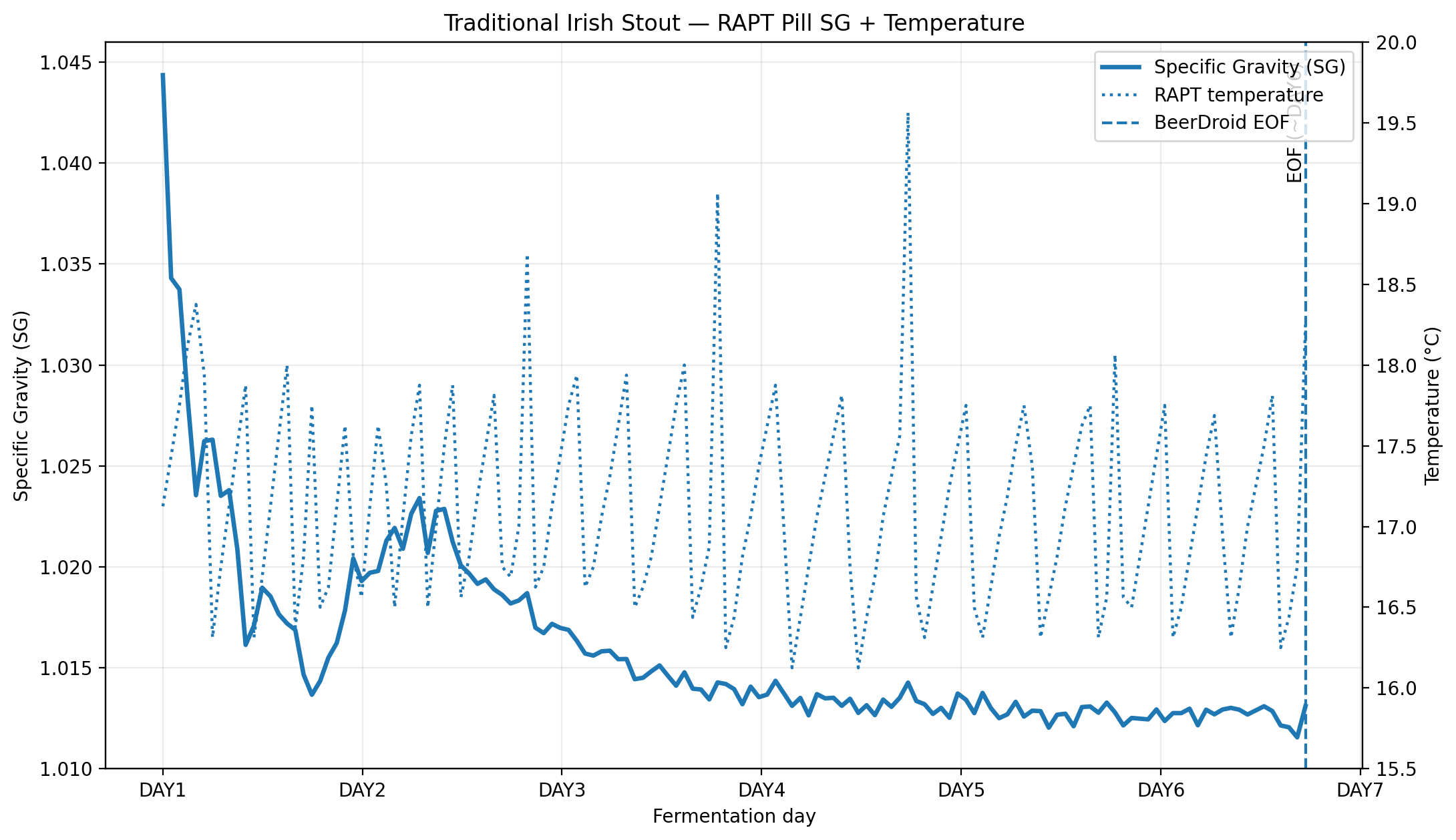
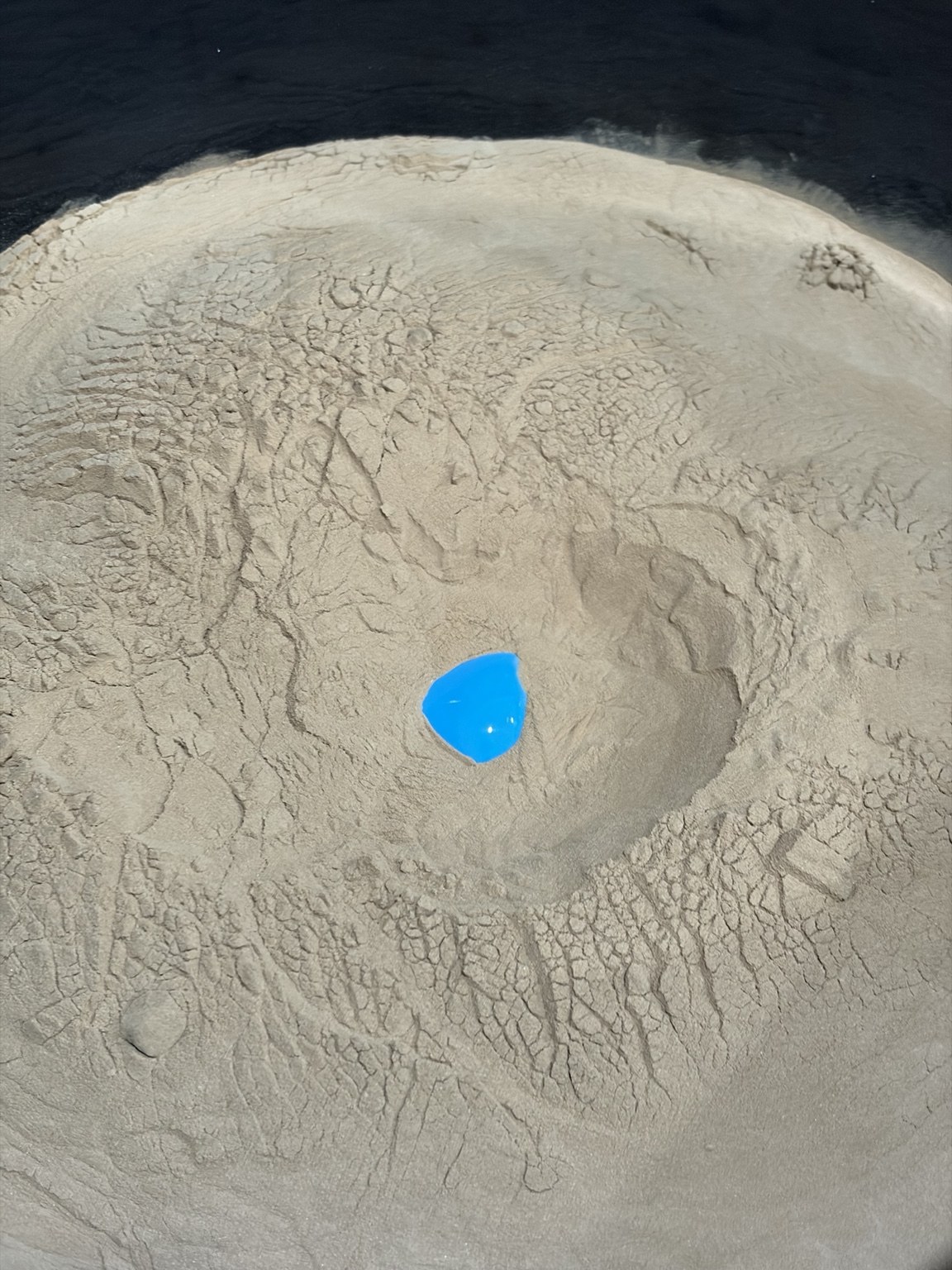
The earliest readings deserve caution because the Pill was still surrounded by the dry ingredient layer. I therefore use SG 1.04435 as the first plausible reading and an OG proxy rather than claiming that the first telemetry point is an exact true OG.
Average SG was 1.01266, with a range of 1.01156–1.01328. RAPT temperature averaged about 17.03°C (62.7°F), ranging from 16.25–18.25°C (61.3–64.9°F). Because the published RAPT accuracy is ±0.002 SG,[2] I care more about the absence of a sustained downward trend than about each small wiggle.
Using 1.04435 and the final-24h mean of 1.01266 gives roughly 71.5% apparent attenuation and about 4.16% ABV. That sits reasonably near BrewArt's 4.5% guide, but it remains an estimate because the starting point and floating hydrometer both carry measurement uncertainty.
EOF at 6 days 1 hour: BeerDroid and RAPT told the same story
At 6 days 1 hour, BeerDroid sent both the fermentation-finished notification and the Ready-to-Keg notification. That falls inside BrewArt's published 5–7 day range for this BrewPrint.[1]

This does not tell me what BeerDroid's internal algorithm uses. What it does tell me is simpler and useful: in this batch, BeerDroid's EOF timing coincided with an independently measured gravity plateau.
Once the beer was transferred out, the Pill was no longer freely floating. The impossible SG jumps that followed were excluded; the comparison uses only the continuous pre-transfer log.
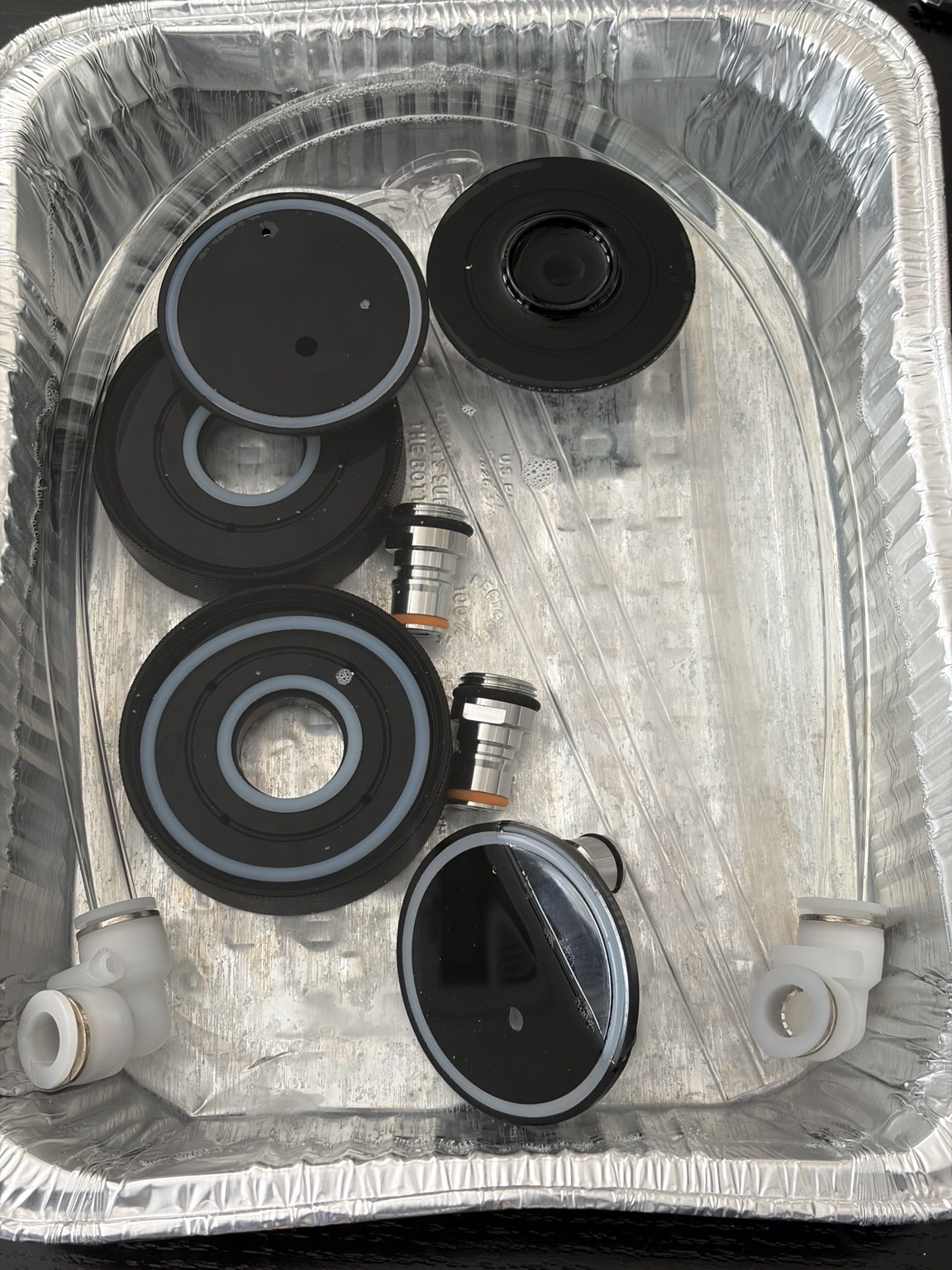
Kegging the 10 L batch: clean and sanitize the parts first
Early tasting: firm bitterness, subtle sweetness, soft acidity
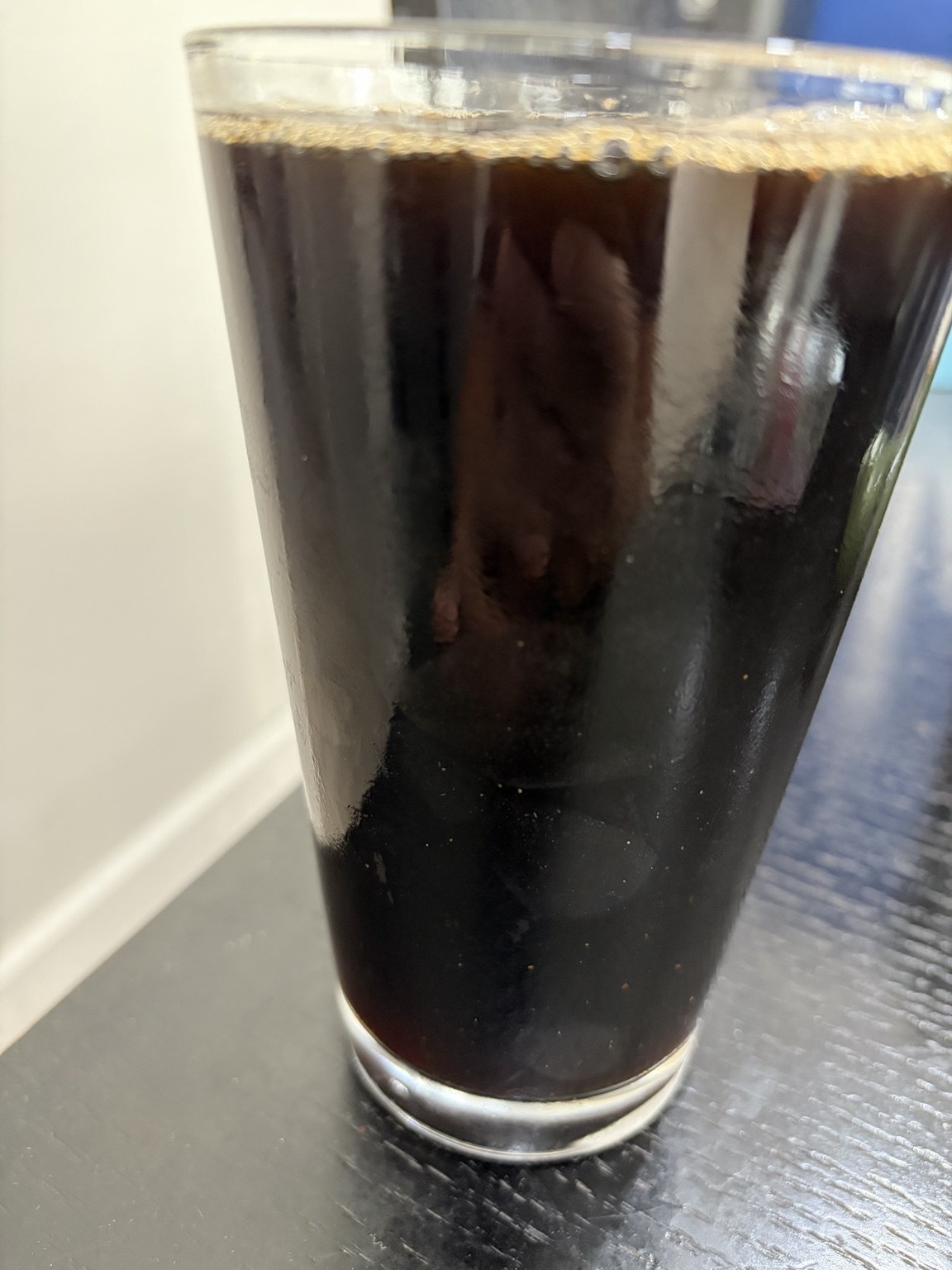
Firm bitterness first. A small amount of sweetness peeks out behind it. There is also a soft, faint acidic/sweet impression that reminded me of yogurt or milk, with a rounded finish.
BrewArt's official profile calls out roasted coffee and barley aroma, roast coffee and dark chocolate flavor, and a slightly acidic finish.[1] In this young sample, the bitterness, subtle sweetness, and gentle tang stood out to me before I found a clean coffee/chocolate description.
“Yogurt/milk-like” is only a sensory association here. It is not a claim of lactic fermentation or infection, and this was still a young pre-conditioning sample.
What this batch taught me
- Traditional Irish Stout reached BeerDroid EOF / Ready to Keg in 6 days 1 hour, inside BrewArt's 5–7 day guide.
- During the ~24 hours before EOF, RAPT SG averaged 1.01266 and ranged from 1.01156 to 1.01328 with no sustained downward trend.
- For this batch, the automatic EOF call and the independent gravity plateau matched well.
- Using the first plausible SG as an OG proxy and the final-24h mean gives ~71.5% apparent attenuation and ~4.16% ABV, close to the 4.5% guide but still only an estimate.
- The early sample was firmly bitter with a little sweetness and a gentle tang; the acidic direction overlaps BrewArt's finished-profile description, while the dairy-like association is my own wording.
- This does not reverse-engineer BeerDroid's EOF algorithm. It only checks what the measured gravity was doing when the call happened.
Conclusion: RAPT made “Ready to Keg” visible
Before this batch, BeerDroid's notification was the endpoint I trusted operationally. Adding the RAPT Pill gave me the missing layer: the shape of the gravity curve underneath that notification.
The result was reassuring. By the time BeerDroid called EOF at 6 days 1 hour, gravity was already essentially flat. One batch is not enough to generalize about every BeerDroid recipe, but it gives me a repeatable way to compare future batches: BeerDroid's automatic endpoint on one side, and an independent SG trend on the other.
References
- BrewArt, Traditional Irish Stout (official flavor profile, 4.5% ABV, Colour 134, Bitterness 33, 18°C → 17°C → 18°C → 4°C program, approximate 5–7 day brew time).
- KegLand, RAPT Pill Hydrometer & Thermometer (real-time gravity/temperature logging, ±0.002 SG and ±0.2°C nominal accuracy, solids-on-housing caution).
- BrewArt, BrewArt US (BeerDroid product information).
- BrewArt, BeerDroid Instruction Manual (general BeerDroid brewing, EOF, and kegging workflow).
Questions or comments about this article?
If you have used a RAPT Pill with BeerDroid, or noticed different stout behavior, feel free to send a message.
The website is where I organize the completed experiment log. I post day-by-day progress and quick observations on X at @ConyDIYHouston.