
How Long Should I Run My Sprinklers for 1 Inch? I Measured My Lawn
“Water about an inch” sounds simple until you ask the important question: how many minutes is that on my own system? I measured my spray zone, compared it with my rotor schedule, and used Cycle and Soak for Houston clay soil.
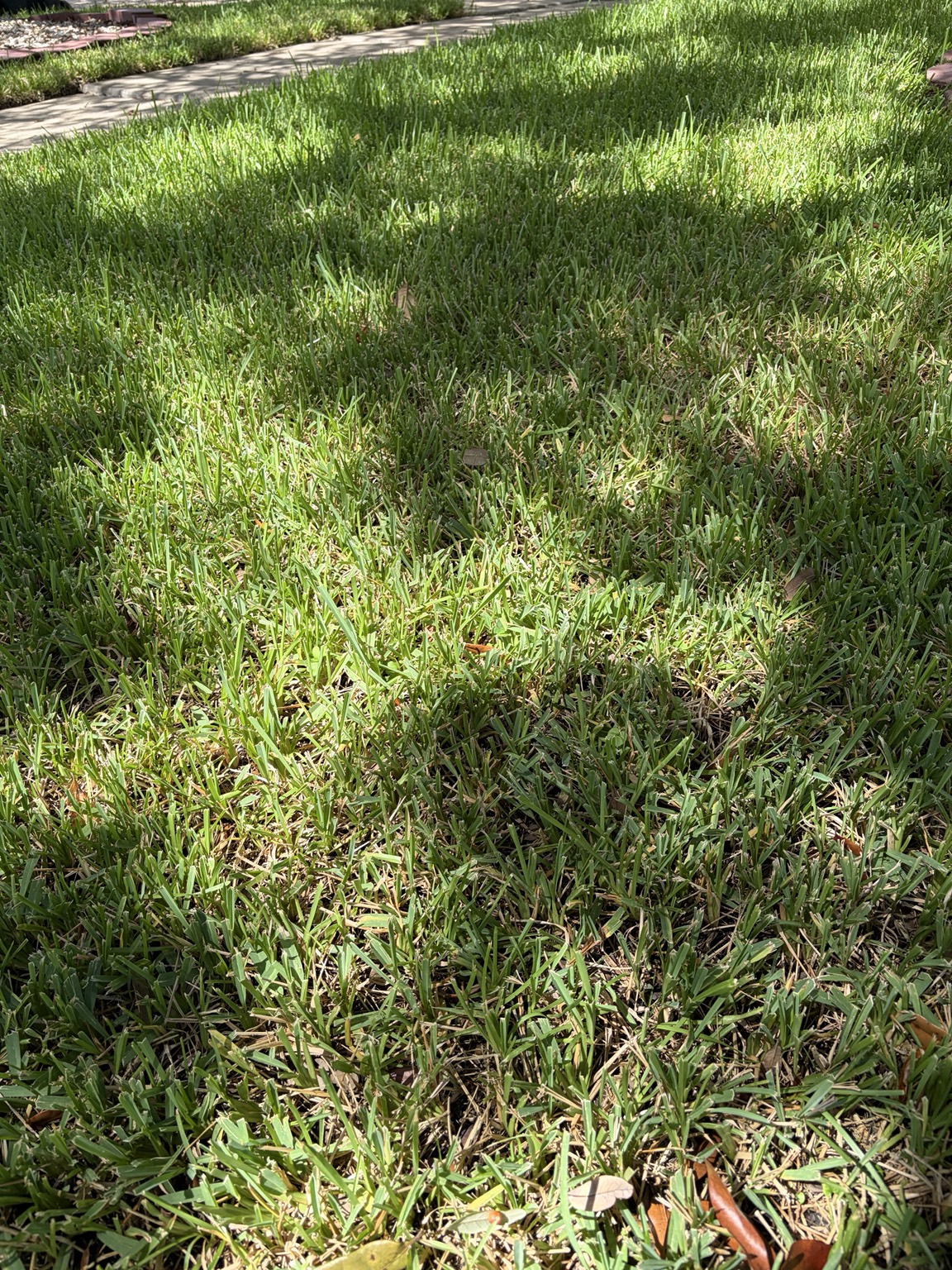
Quick results
| Zone 2 | Rotor heads. 50 min × 2 = 100 min per watering day. Output not measured yet |
|---|---|
| Zone 3 | Fixed spray heads. Measured 11 mm / 0.43 in in 20 minutes |
| Zone 3 rate | About 33 mm/hr / 1.30 in/hr |
| 1-inch calculation | About 46 min on paper; actual schedule is 25 + 25 = 50 min |
| Method | Cycle and Soak in two rounds |
| Original target | About 1 inch once per week |
| Hot/dry summer target | 0.75 inch twice per week, about 1.5 inches total |
Why I started with about 1 inch per week
“About an inch per week” is a common lawn-watering benchmark, but I do not treat it as a fixed rule. Texas A&M AgriLife’s St. Augustine guidance focuses on the principle behind the number: established turf should be watered deeply and infrequently to encourage deeper, healthier roots. During warm weather, established turf generally should not need irrigation more than once or twice per week, and rainfall plus visible drought stress should drive adjustments.[1]
So I used roughly 1 inch per week as a starting point, then watched how the lawn actually responded.
Two zones, two sprinkler types
- Zone 2: rotor heads — rotating streams with a longer throw
- Zone 3: fixed spray heads — a finer fan of water
They are both “sprinklers,” but they do not necessarily apply the same depth of water in the same amount of time. I started with Zone 3 because it was easier to measure with the shallow tray I had on hand.
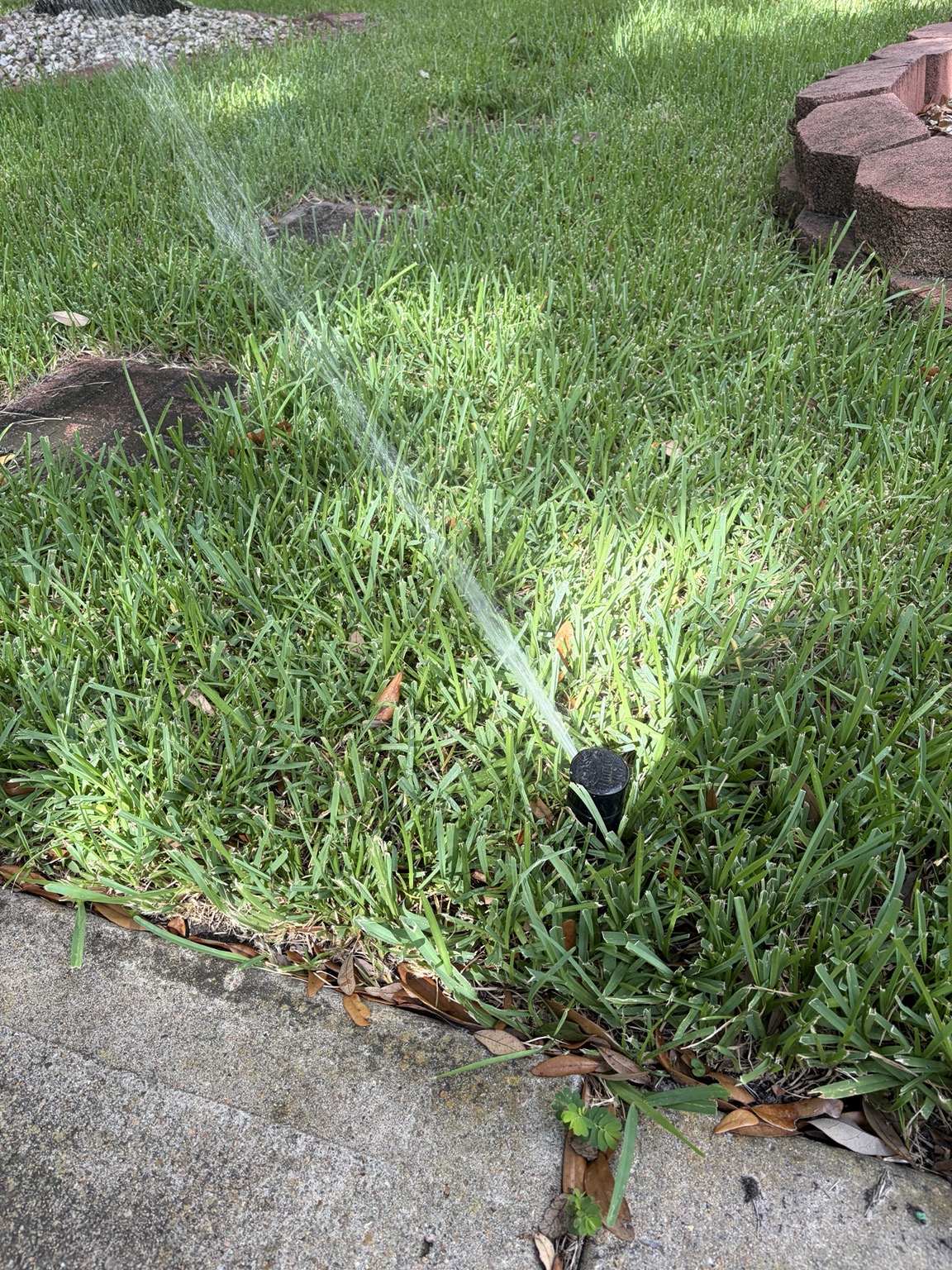
Measuring Zone 3
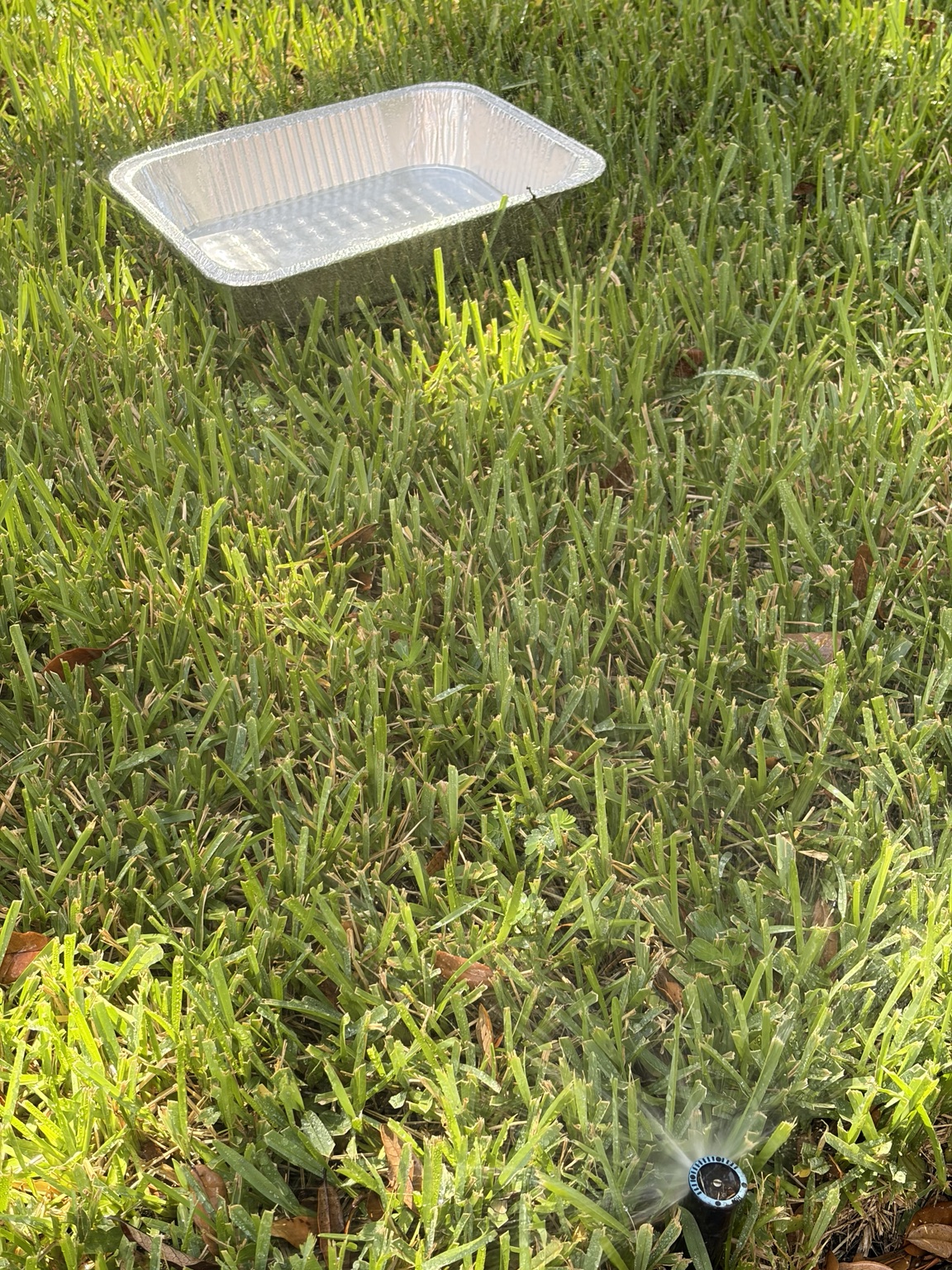
The test was simple: I put a shallow tray on the lawn and ran the Zone 3 spray heads for 20 minutes.
The tray collected about 11 mm / 0.43 inch.
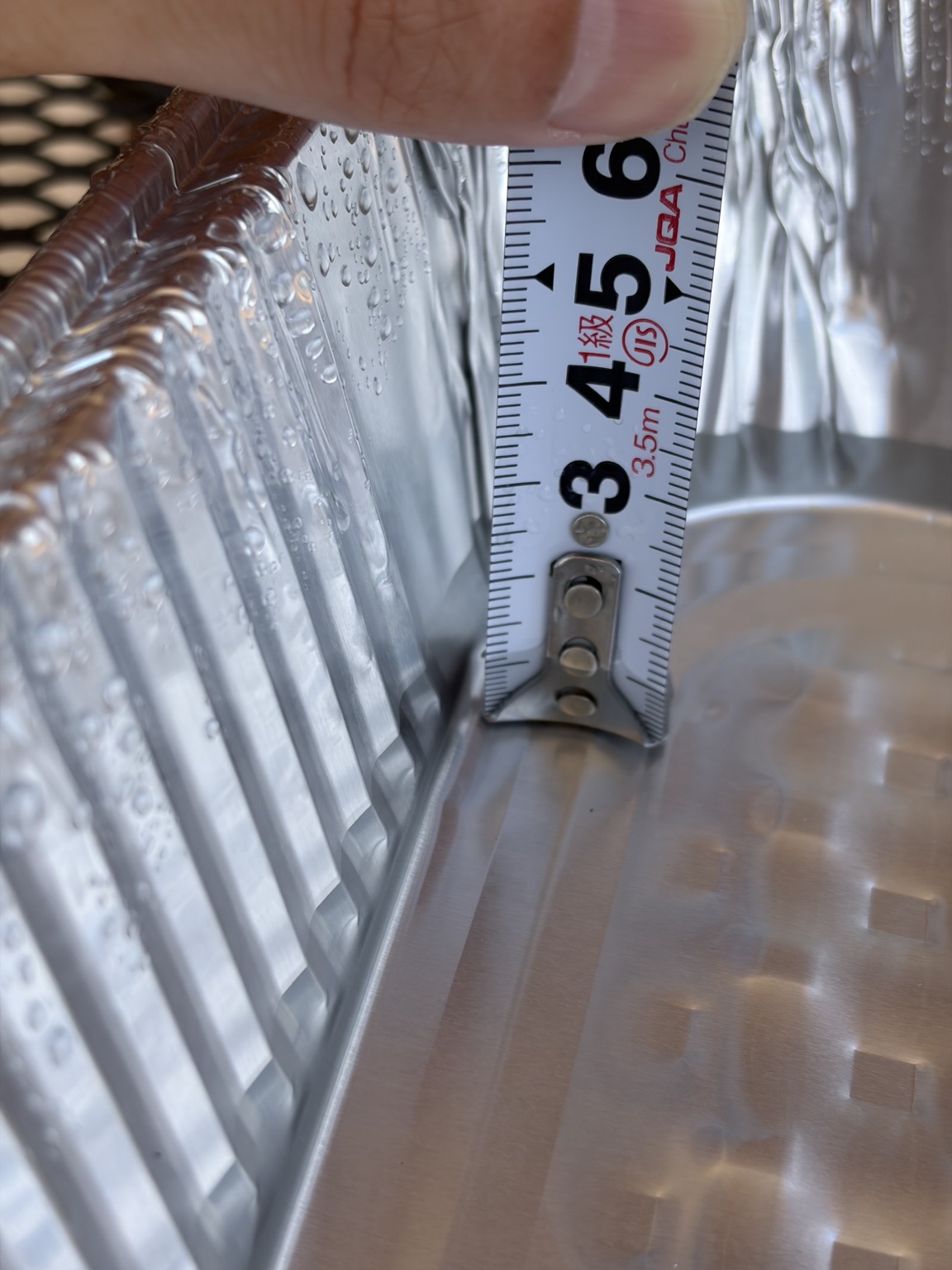
11 mm ÷ 20 min × 60 min = about 33 mm/hr = about 1.30 in/hr
About 46 minutes for 1 inch
One inch is 25.4 mm, so:
25.4 ÷ 11 × 20 ≈ 46 minutes
For the controller, I rounded that to 50 minutes total. At the measured rate, that works out to about 27.5 mm / 1.08 inches.
I set the rotor zone to about twice the spray runtime
Zone 3 measured about 11 mm / 0.43 inch in 20 minutes. That put one inch at roughly 46 minutes, so I rounded the spray-zone schedule to 50 minutes total.
Zone 2 is different because it uses rotor heads. Rotors and fixed sprays do not apply water at the same rate.
Looking at manufacturer data, residential rotors generally apply water more slowly than traditional fixed sprays, so the rotor zone needs a longer runtime to apply the same depth.
In the product data I checked, Rain Bird's 3500 Series residential rotor is listed at 0.37–0.83 in/hr[2], while Hunter fixed-spray nozzle tables include many configurations above 1.4 in/hr.[3] So a runtime difference of around 2:1 is entirely plausible.
Based on that, I set Zone 2 to roughly twice the Zone 3 runtime: 100 minutes total for the rotor zone versus 50 minutes total for the spray zone.
Zone 3 spray: about 50 minutes, based on my measurement
Zone 2 rotor: about 100 minutes, based on manufacturer-rate differences
In other words, I did not measure Zone 2 and prove that 100 minutes equals one inch. The 100-minute setting is an estimate based on the expected difference between rotor and spray precipitation rates.
Why haven’t I measured Zone 2 yet?
Honestly, because the rotor zone is more annoying to measure. The application rate is slower, so I need to run it quite a while to collect enough water to read accurately. And when I am only measuring a few millimeters, a wide, shallow container is much easier to read than a deep one.
I did not have another suitable shallow tray handy, so I still have not measured Zone 2 directly. That is on my follow-up list. I want to see whether the roughly 2:1 runtime ratio I chose from the product data also holds up when I measure the rotor zone in my own yard.
Also, this one-tray check is a quick calibration, not a full irrigation audit. Texas A&M’s catch-can method uses multiple containers across the lawn so you can calculate an average and check coverage uniformity.[1]
Why I split the runtime: Cycle and Soak
Zone 3 totals 50 minutes and Zone 2 totals 100 minutes, but I do not run either total as one continuous watering cycle.
My Houston soil is heavy clay. If I run one long cycle, water can start moving across the surface before the soil absorbs it.
So I use Cycle and Soak: water, wait, then water again. Texas A&M AgriLife recommends this pulsed approach on heavy soil to improve infiltration and reduce runoff.[1][4]
Cycle 1: Zone 2 rotor 50 min → Zone 3 spray 25 min
Cycle 2: Zone 2 rotor 50 min → Zone 3 spray 25 min
That gives Zone 2 a total of 100 minutes and Zone 3 a total of 50 minutes. Zone 3 also gets a long soak period while Zone 2 runs before the second 25-minute spray cycle.
Why not water a little every day?
Daily light watering sounds logical in Houston heat, but established St. Augustine benefits from deep, less-frequent irrigation that encourages deeper root development. Texas A&M says established turf generally should not need irrigation more than once or twice per week in warm weather, and rainfall may eliminate the need for supplemental irrigation.[1]
That is why I started with roughly one inch per week as a practical baseline, then let the lawn and weather tell me when to change it.
Houston summer changed the plan
My original once-a-week schedule was: Zone 2: 50 → Zone 3: 25 → Zone 2: 50 → Zone 3: 25 minutes.
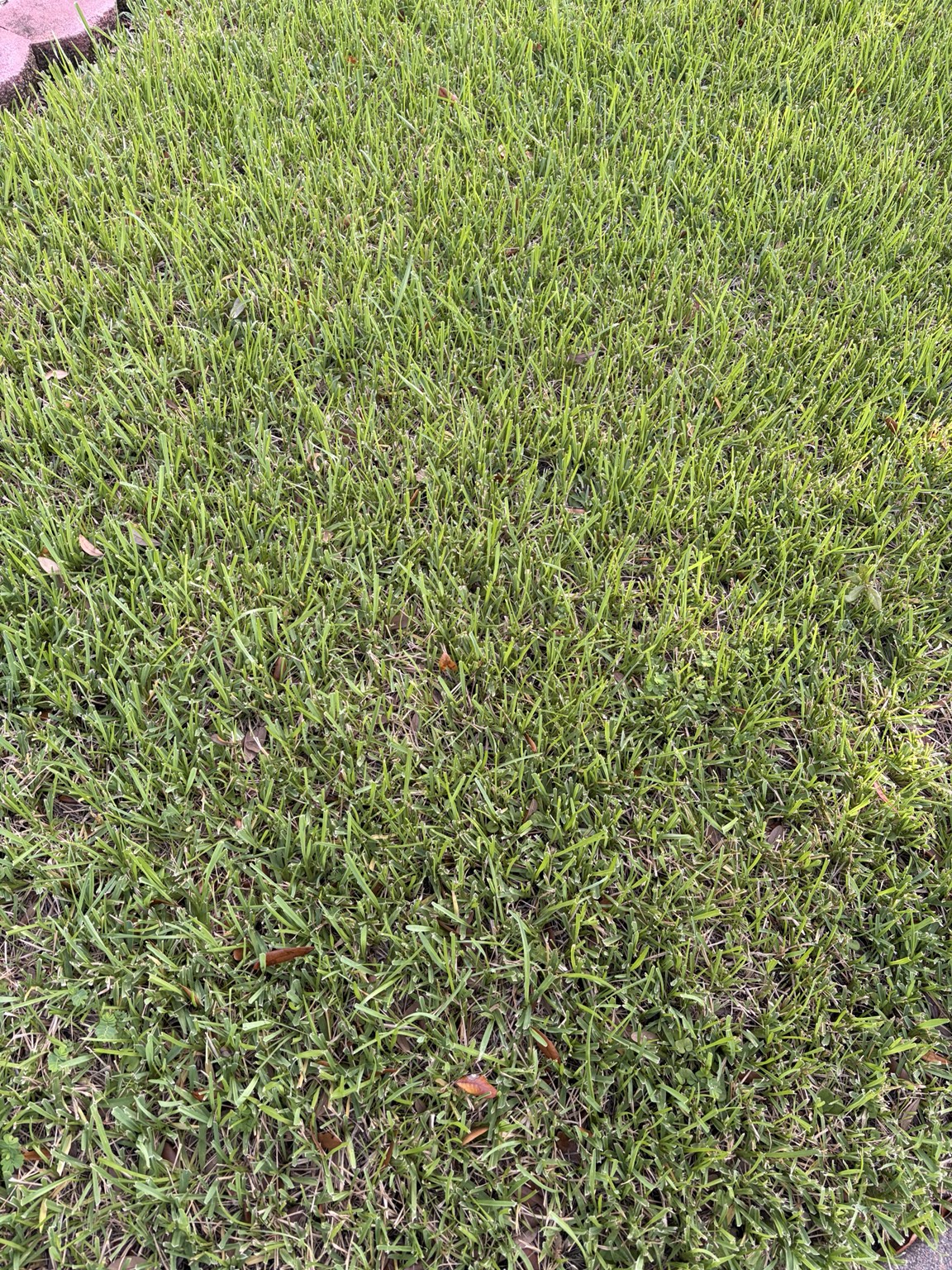
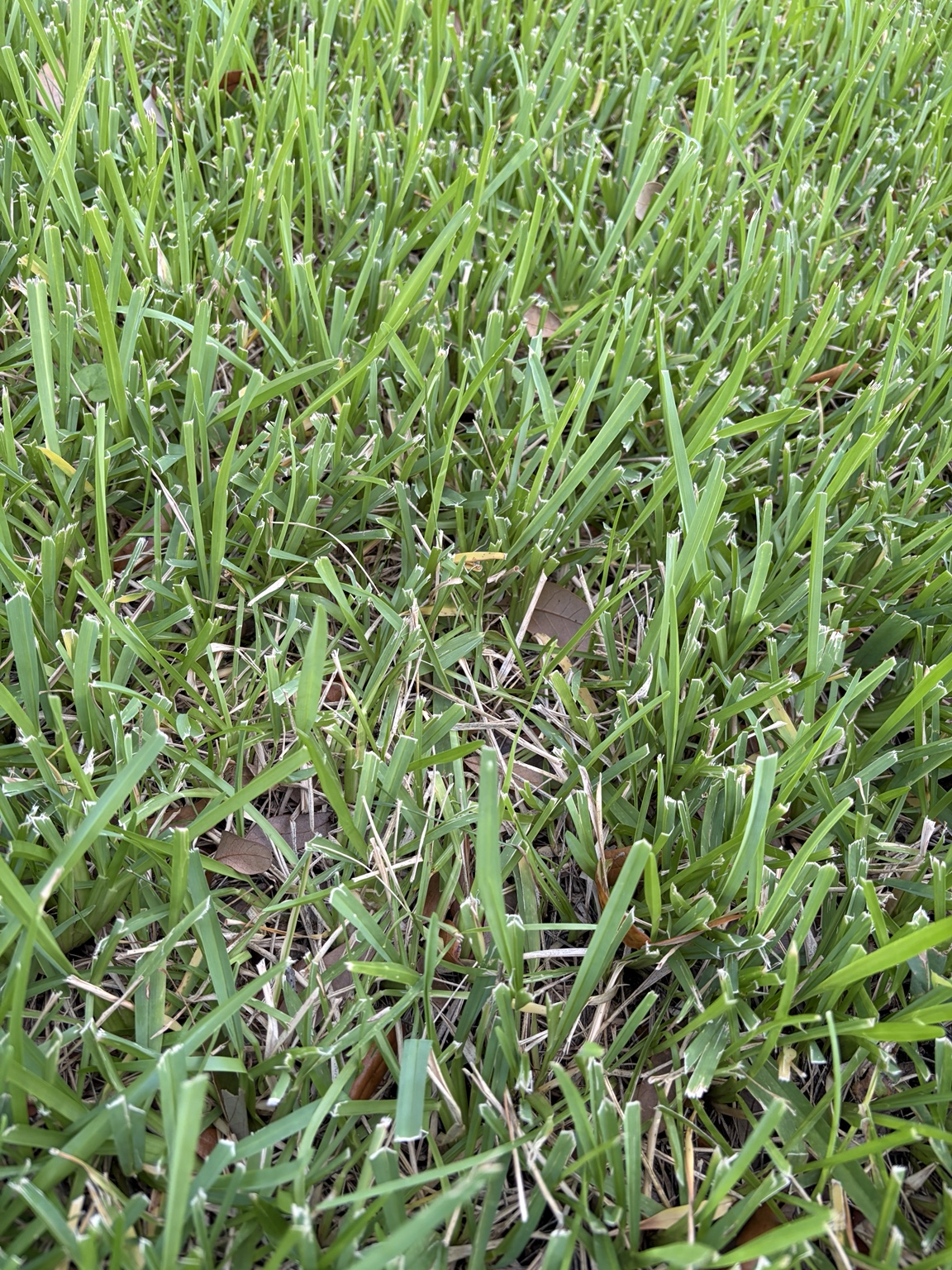
During a long hot, dry stretch with very little rain, the lawn started showing drought stress. One clue I noticed was footprints that did not spring back quickly.
Texas A&M also lists wilting, blue-gray color, and footprints that remain visible as useful drought-stress indicators.[1][5]
So I changed the summer target to 0.75 inch twice per week — about 1.5 inches total per week.
That does not mean every St. Augustine lawn needs 1.5 inches every week. The point is that weather, rainfall, soil, and the lawn itself get the final vote.
What the measurement changed for me
- Zone 3: 20 min → about 11 mm / 0.43 in
- Zone 3 rate: about 33 mm/hr / 1.30 in/hr
- Calculated 1 inch: about 46 min
- Actual schedule: 25 + 25 = 50 min
- 50 min total: about 27.5 mm / 1.08 in
The biggest benefit is simple: I no longer have to guess what “20 minutes” means. And because rotors and sprays can apply water at very different rates,[2][3] there is no reason every zone should use the same runtime.
Think in inches, not minutes
Online lawn advice often says things like “run the sprinklers for 20 minutes.” But 20 minutes means very little unless you know the head type, nozzle, pressure, spacing, and actual application rate.
For me, the better question is: not “How many minutes did I water?” but “How many inches actually reached the lawn?”
Research. Try. Fail. Learn. Enjoy.
One simple measurement made the whole schedule easier to reason about. Next up: measure Zone 2 and see whether my rotor assumption is actually right.
References
- Segars CA, Bowling B. St. Augustinegrass Lawn Management. Texas A&M AgriLife Extension, EHT-144, 2020. PDF
- Rain Bird Corporation. 3500 Series Rotors — Technical Specifications and Nozzle Performance. Technical data
- Hunter Industries. Pro Fixed Nozzles — Performance Data. Technical data
- Texas A&M AgriLife Extension Service. Preventing Runoff with Cycle and Soak Irrigation. 2022. Publication page
- Chalmers DR, McAfee JA, Havlak R. Maintaining St. Augustinegrass Lawns. Texas A&M AgriLife Extension, L-5340, 2006. PDF
Irrigation needs vary with turf type, soil, temperature, sun exposure, rainfall, and local watering rules.
Questions or comments about this post?
If you tried something similar, spotted something interesting, or have a question, feel free to send me a note. Add your email only if you'd like a reply.
The website is where I organize the numbers and conclusions after an experiment. On X, I post the messier middle: “the lawn looks dry,” “I changed the watering target,” and “will this survive another Houston heat wave?”