
Hydroponic Tomato Pump Repair: One Jumper Wire, Power Measurements, and Safety Checks
A hydroponic tomato pump stopped while its LED lights still worked. See how a single jumper restored circulation, with 12V pin tracing, 5–6W AC measurements, Tapo protection, photos, and video.
At a glance
1. The failure: lights on, water circulation off
My commercial hydroponic tomato unit stopped moving nutrient solution from the lower reservoir to the upper root area. The LED lighting still worked. Rather than replacing the entire grow system, I investigated the pump circuit separately.
At this stage, I had confirmed the symptom—not the failed component. The pump, cable, connector, or PCB control path could have been responsible.
2. Identify the power supply and connector pins
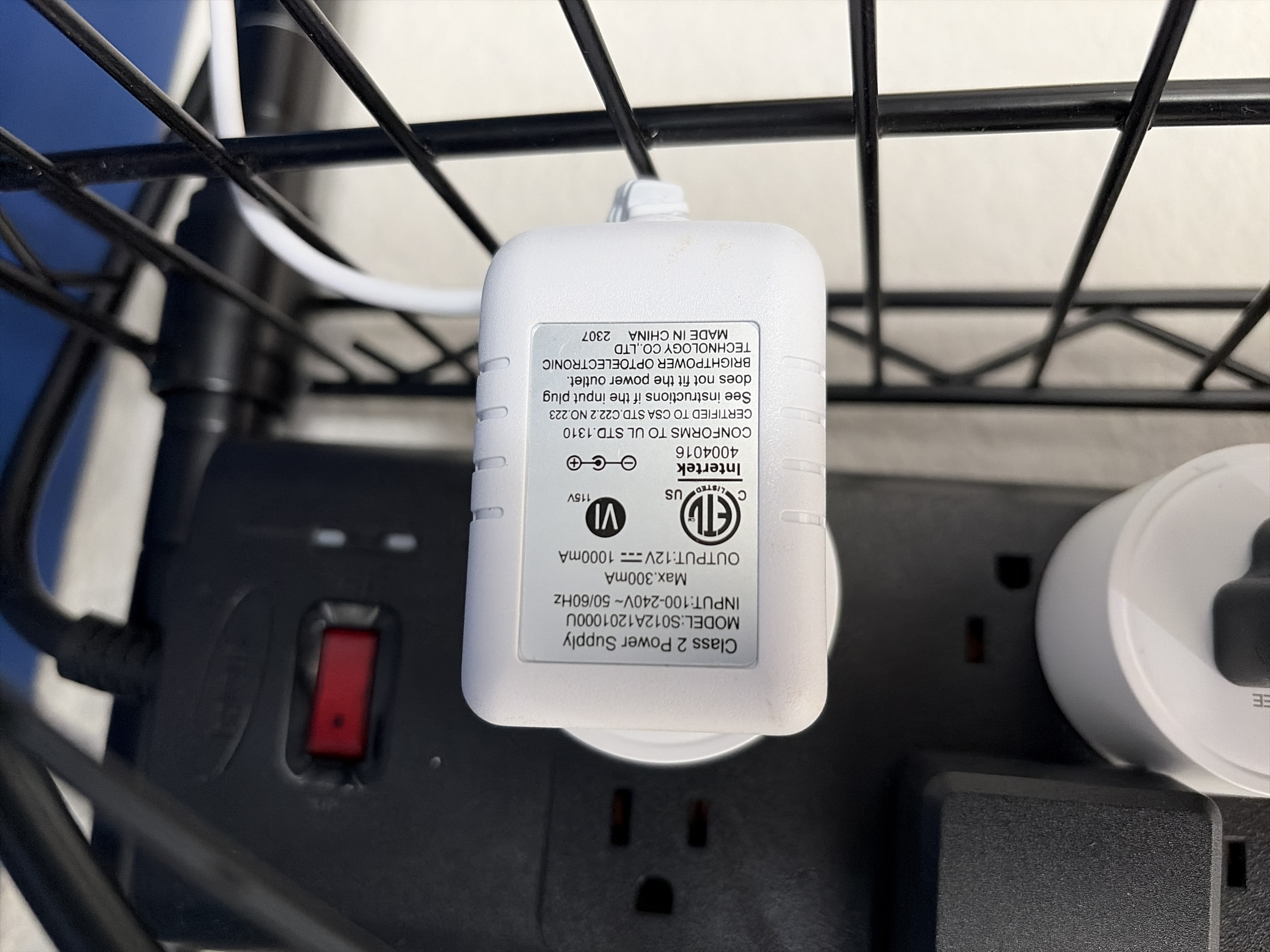
The adapter is labeled 12V DC, 1A maximum, center positive. That rating describes the adapter—not necessarily the pump motor. The pump uses a 3.5mm stereo-style connector.
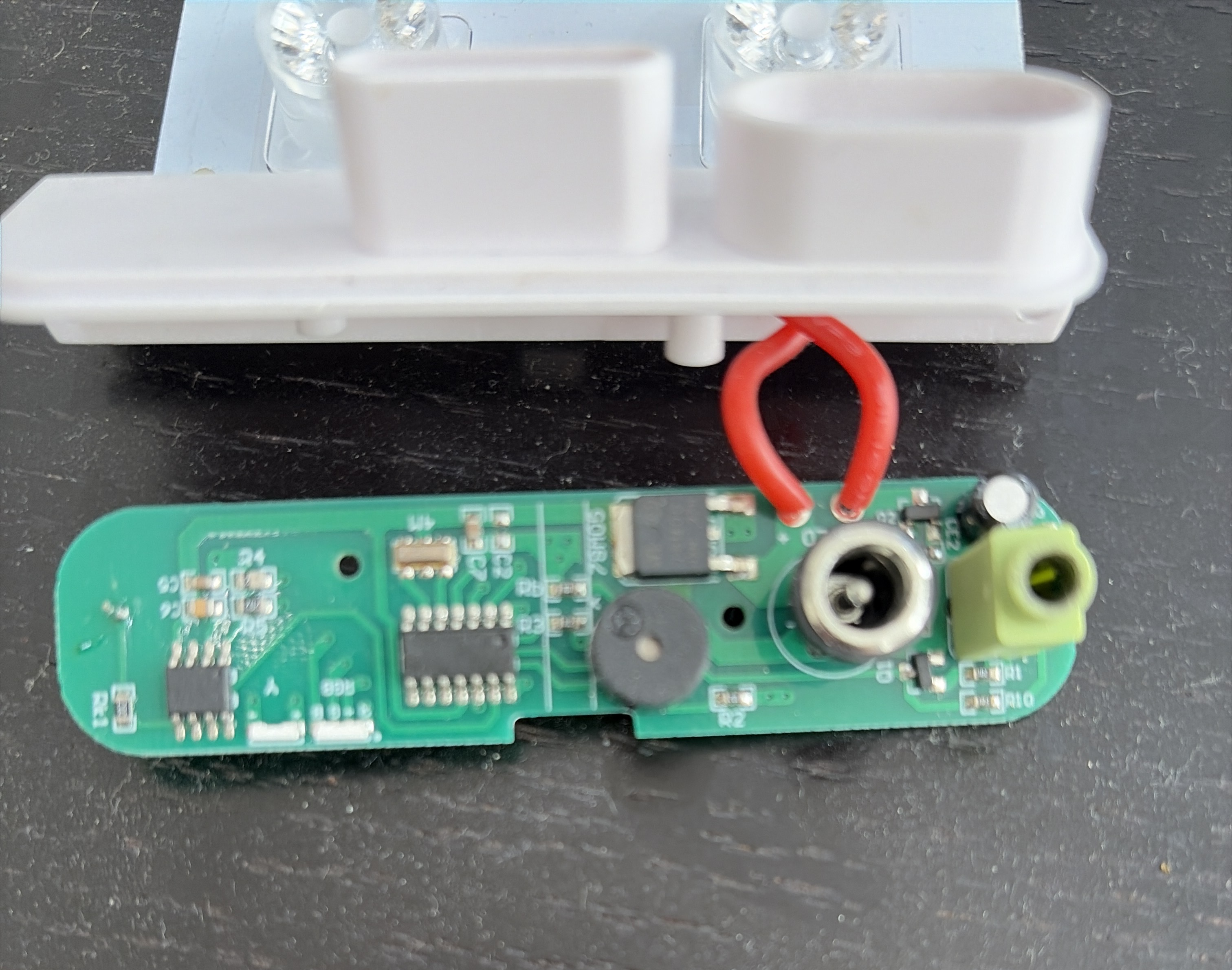
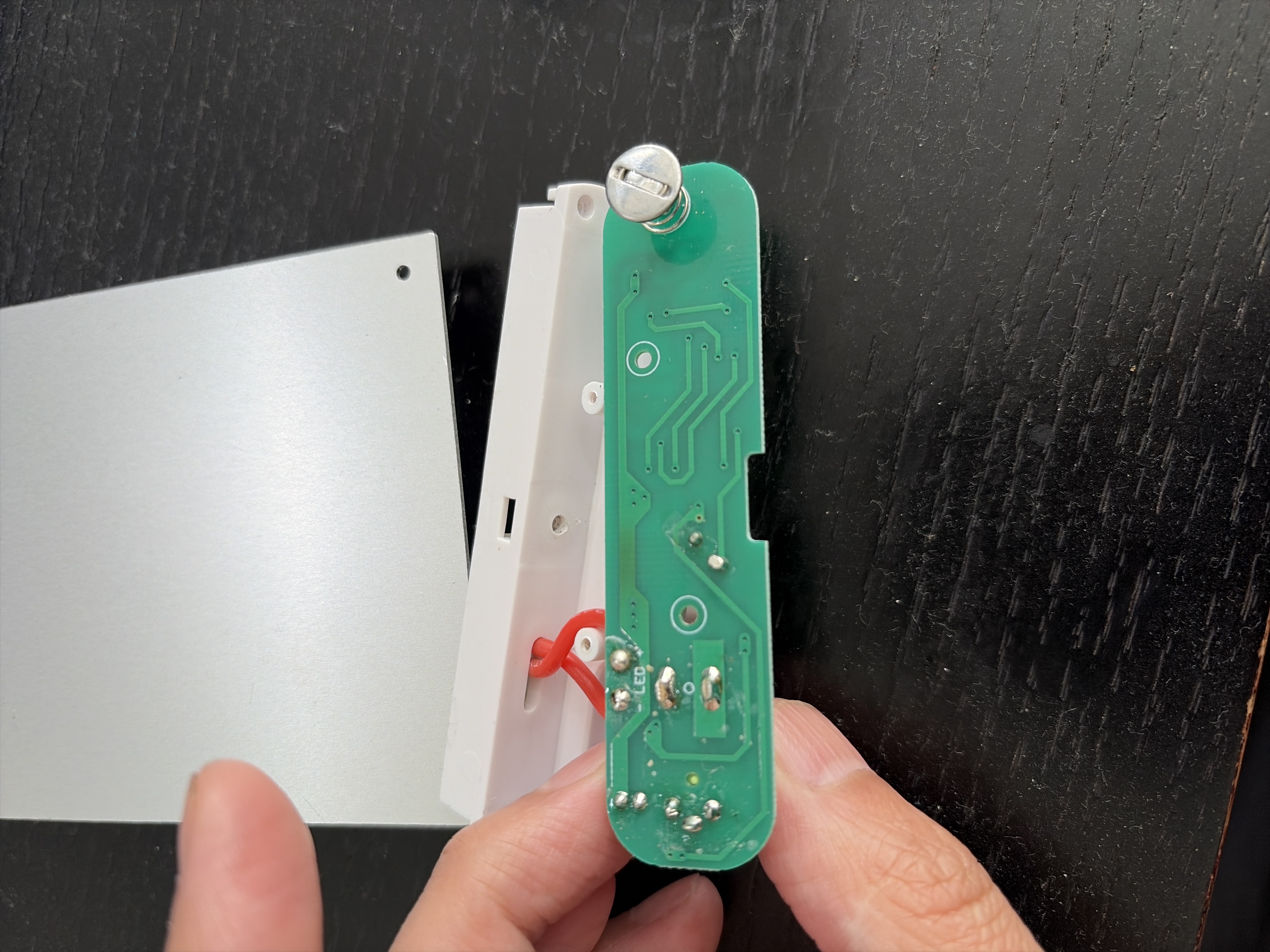
With the power disconnected, I used a multimeter continuity test to trace the DC barrel connector center pin, the pump jack ground, and the Tip terminal. In the orientation of my photos, the second pin from the bottom was Tip and the third was GND.
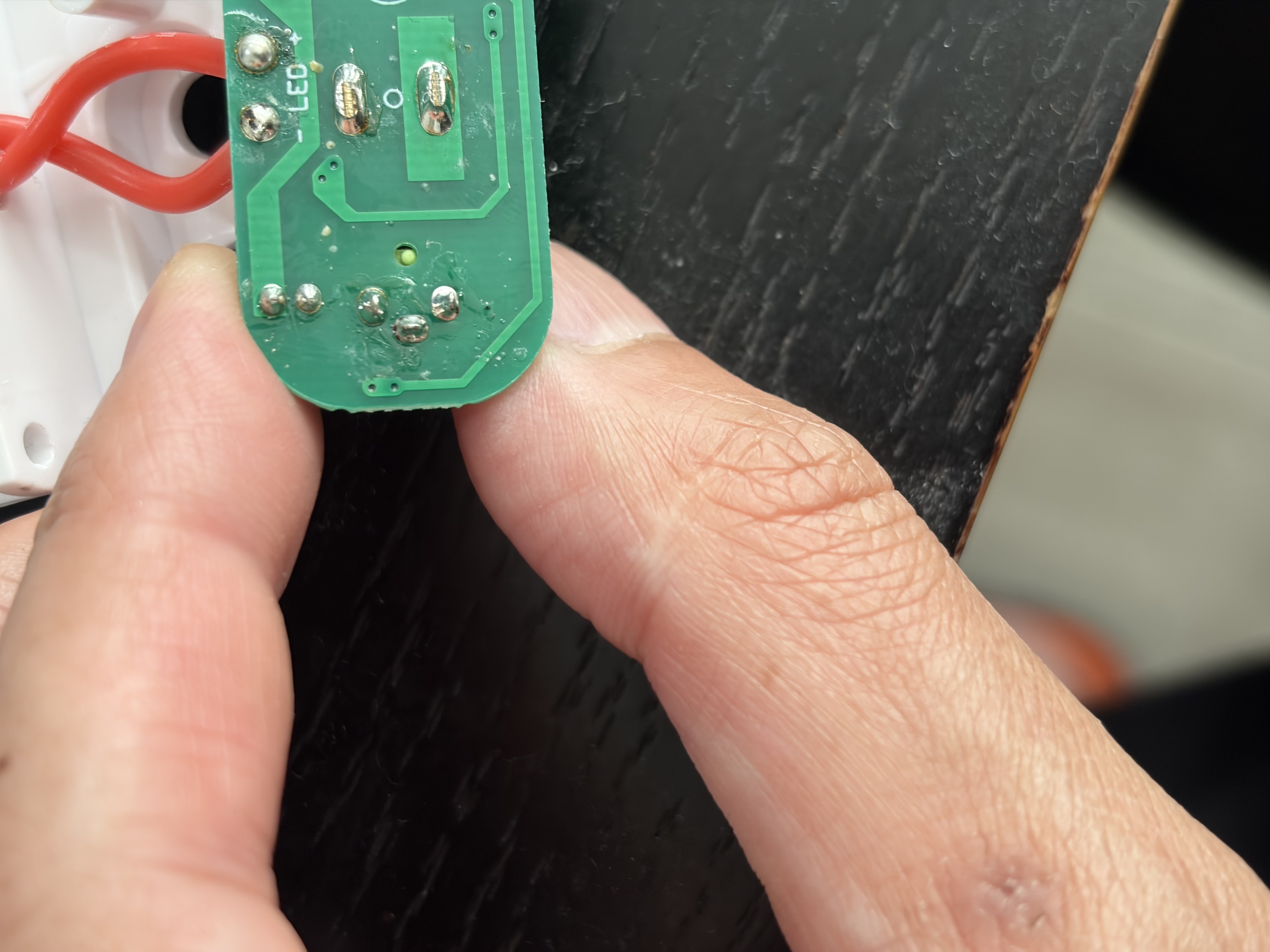
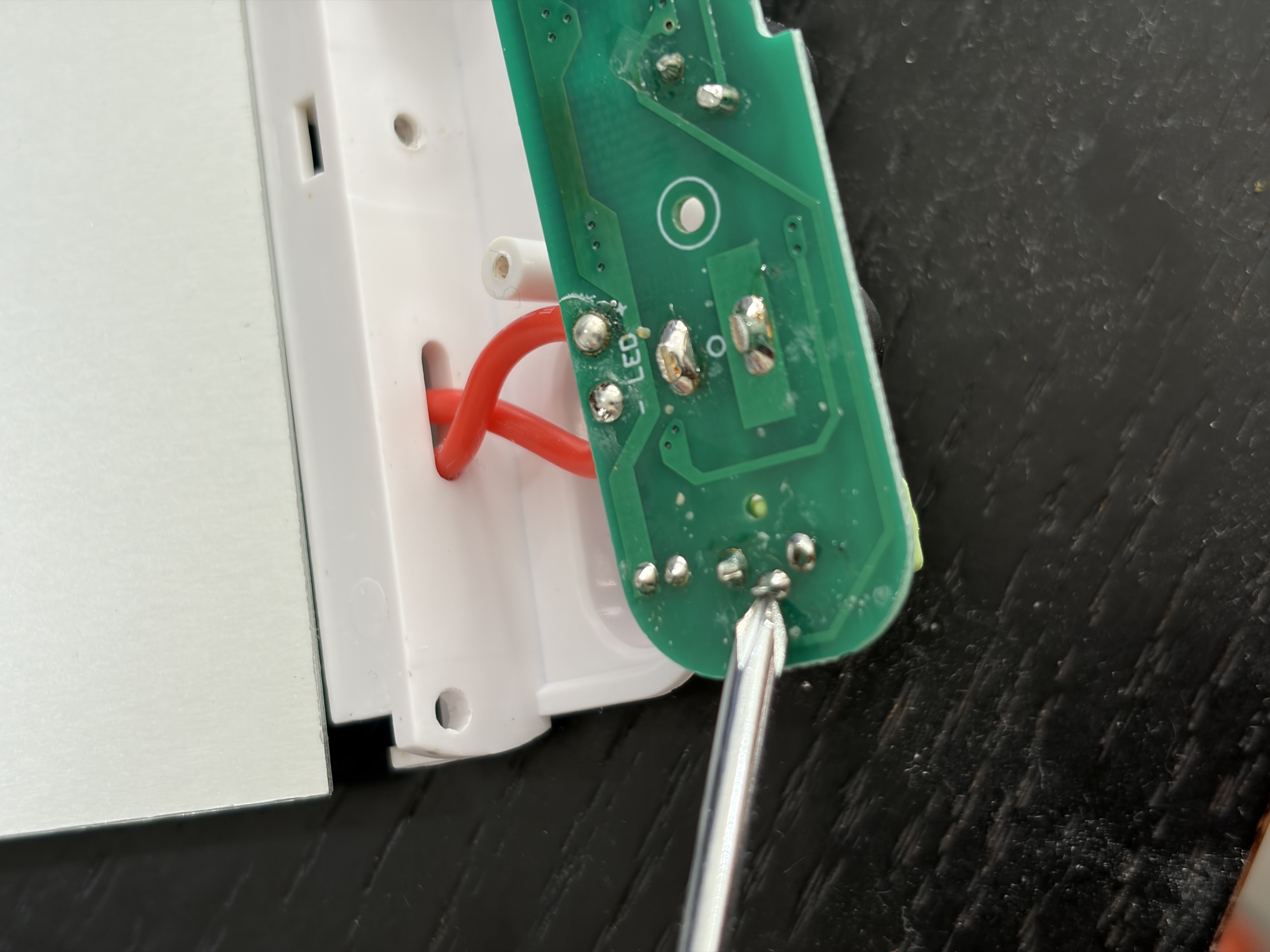
Continuity checks and soldering were performed with power disconnected. Do not copy the pin locations to another device. The pump’s rated voltage, original control circuit, and protection features were not independently verified. This is a record of one repair, not a universal modification guide.
3. The bypass: +12V input to the pump jack Tip
I soldered a single yellow jumper wire from the DC barrel jack center +12V point to the Tip terminal of the pump jack. The existing ground path was retained, and the LED circuitry was not modified.
The result bypasses part of the original pump control path. It does not repair the failed controller; the pump now runs whenever the unit receives power.
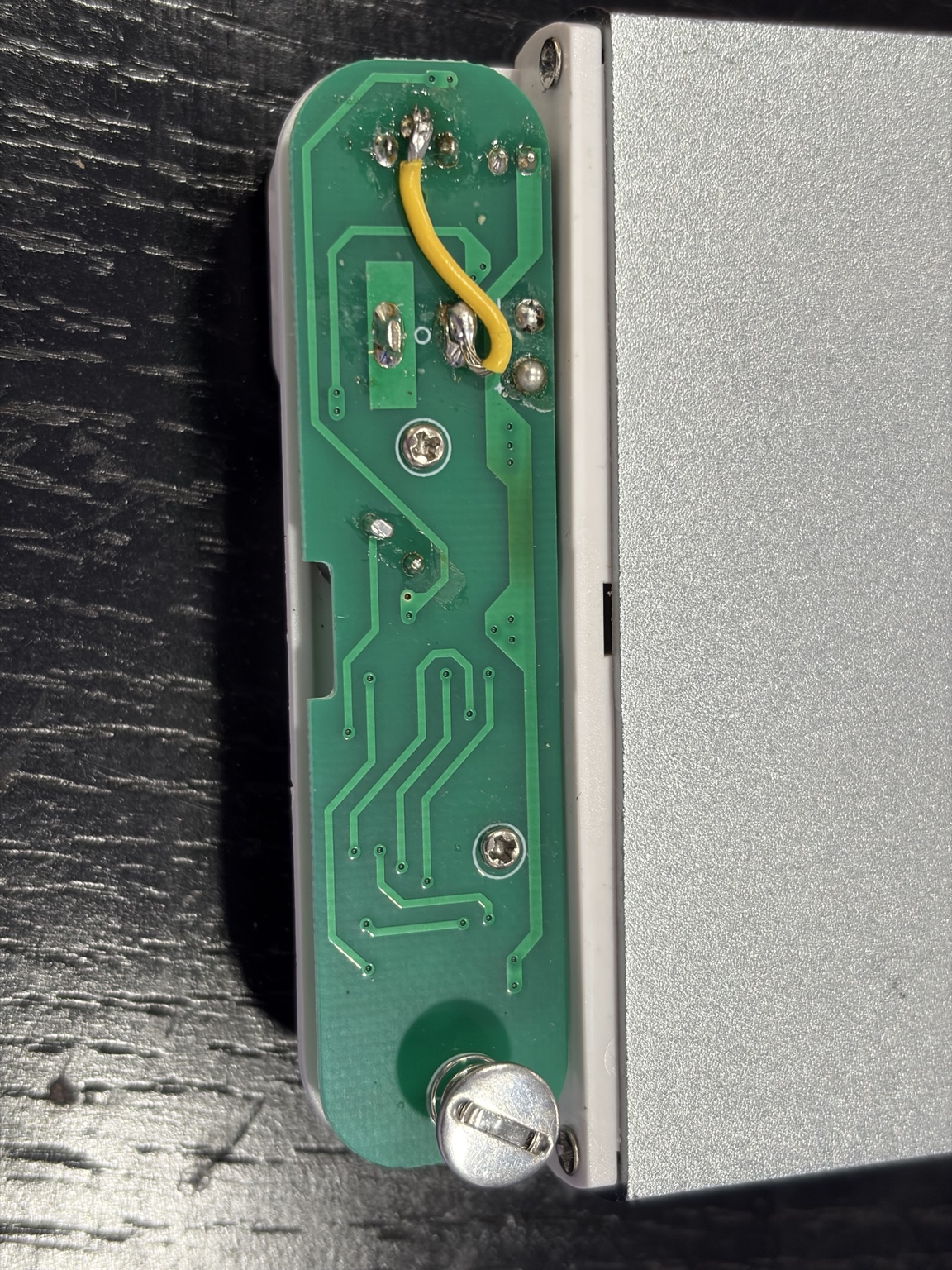
4. Result: nutrient circulation restored
After reconnecting power, the pump ran and nutrient solution circulated again. The original LED controls remained functional. The video captures the restored flow rather than relying on a still photo.
Video: water circulating after the jumper repair.
5. What does the measured 5–6W mean?
To add a layer of monitoring and protection after restoring circulation, I connected a TP-Link Tapo P110M smart plug between the wall outlet and the hydroponic unit. This smart plug lets me monitor total power consumption and control the outlet from my phone. The P110M also offers Power Protection, which can cut power when a configured threshold is exceeded. I am using it as an additional safety measure, not as proof that the pump or modified wiring is safe.
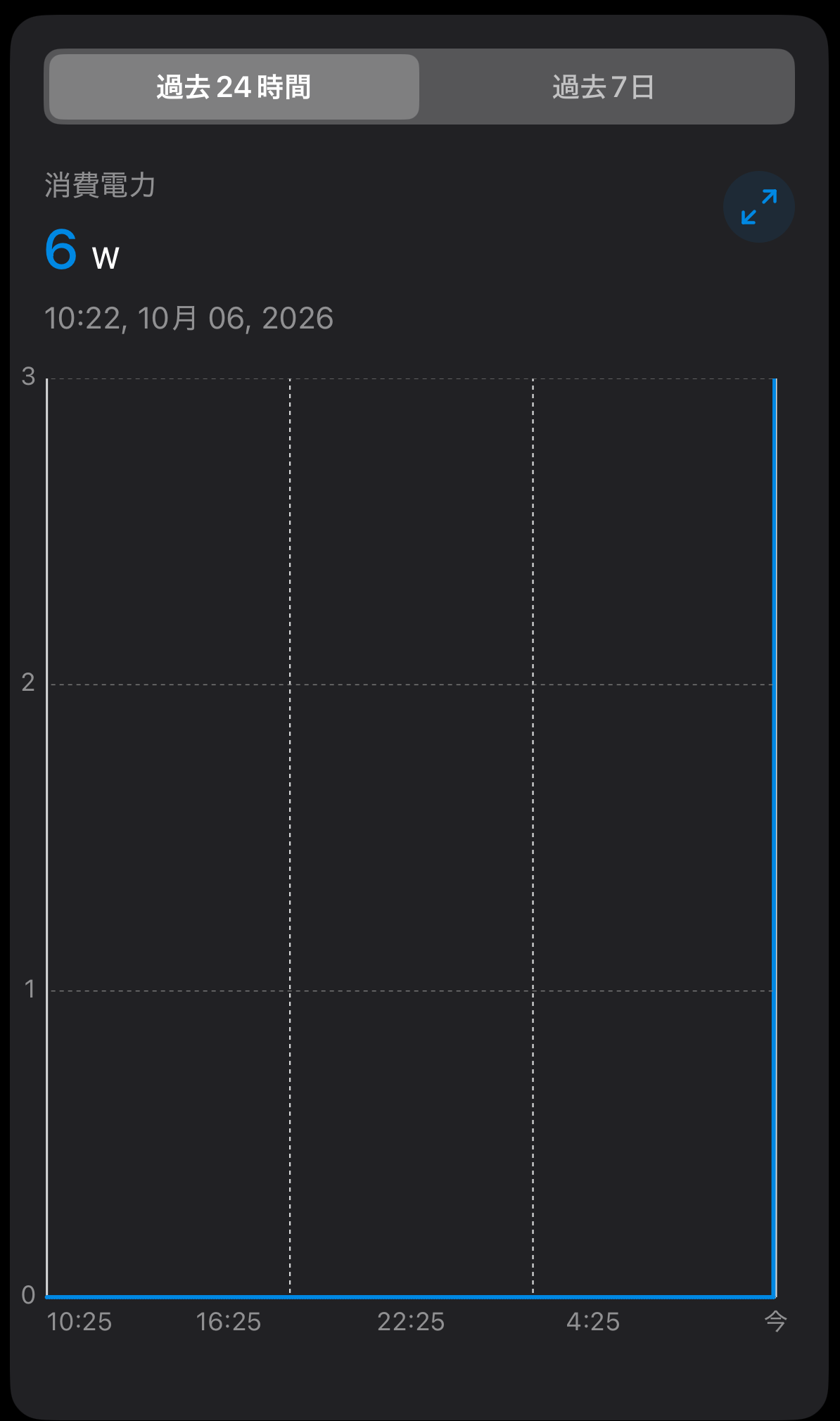
First, I measured power during normal operation. With both the LED and pump on, the reading was approximately 5–6W at the AC input. This is not a measurement of the pump alone or its DC current. The adapter is rated 12V/1A (12W maximum DC output), but you cannot directly convert the AC reading to pump current without knowing conversion efficiency, power allocation, and startup behavior.
6. The 10W protection setting—and what still needs checking
As an additional precaution, I set the Tapo P110M Power Protection threshold to 10W as an extra response to unusually high AC input power (normally around 5–6W). This is not an instantaneous trip at 10W. TP-Link describes a general Power Protection check of approximately one reading every five seconds, with shutoff after ten consecutive readings above the threshold [1]. I have not independently verified this timing or its behavior on my P110M firmware. It is not a fast-acting fuse for the downstream DC circuit.
Electrical heating at a resistive joint follows P = I²R. Even a small amount of heat concentrated at a poor solder joint or connector can cause high local temperatures without pushing total AC power over 10W.
- Inspect the jumper ends, insulation, connectors, and solder bridges.
- Monitor the pump, adapter, barrel jack, and solder points for abnormal heat.
- Disconnect power immediately if you notice unusual heat, odor, or noise.
- Do not treat a smart plug as a substitute for properly rated components and circuit protection.
Setting the 10W threshold does not establish that the modified unit can run safely. With the power disconnected, the wiring, insulation, and solder joints need to be checked. During supervised operation, I need to check power, temperature, and unusual sounds. Any abnormality means stopping the unit and investigating the cause; the original pump rating and protection circuit also require verification. Restoring water flow and confirming safe continued operation are two different milestones.
7. Could the original intermittent schedule be restored?
I recall that the original pump schedule was approximately one hour on, two hours off. Since the bypass leaves the pump on whenever power is present, I considered using Tapo scheduling to reproduce that cycle. I have not documented that schedule as implemented and validated.
Such a cycle has a theoretical one-third duty factor, but cutting AC power also switches off the whole unit, not just the pump. Lighting behavior, restart reliability, root hydration, and repeated pump starts must be checked first. Lower average power does not prove the system is safe.
8. Final checks before calling the repair complete
- Flow: circulation, blockages, dry running, and restart behavior.
- Temperature: pump, adapter, jack, and both jumper solder joints.
- Power: deviations from the normal 5–6W reading and Tapo cutoff behavior.
- Plants: root hydration, solution temperature, and tomato growth.
- Unknowns: the pump’s original rating, built-in protections, and long-term durability.
So far, I have confirmed only restored circulation, functioning LED controls, and an AC input reading of approximately 5–6W. Each item above still needs to be checked under real operating conditions, alongside the component ratings and appropriate protection and insulation measures. Only after these checks support safe continued operation can I call the repair complete. For now, this is a successful functional recovery—not proof of long-term safety. I will not assume unattended continuous operation is acceptable while these questions remain open.
Conclusion
A single jumper restored nutrient circulation to a hydroponic tomato system whose LED controls still worked. I measured 5–6W at the AC plug and set a 10W power-protection threshold. The repair works in the immediate test, but the pump rating and long-term safety remain unverified. The next step is to check heat, insulation, stable circulation, and the remaining safety questions before deciding whether the repair can be considered complete.
Equipment and related tools
These are the devices mentioned in this test and example tools for similar diagnostic work. Product links do not imply that the maker endorses this modification or that it is safe for every unit.
Reference
- [1] TP-Link / Tapo, Tapo Smart Plug Energy Monitoring: How to Use Every Feature — general Power Protection documentation; not a measurement of shutoff timing on my particular unit.
I also share in-progress hydroponic projects, troubleshooting, and everyday DIY experiments on X.
Questions or comments about this repair?
Send a question about this repair or its measurements.